
Realtime Alerting System for Healthcare | Node.js, MQTT & WebSockets Case Study
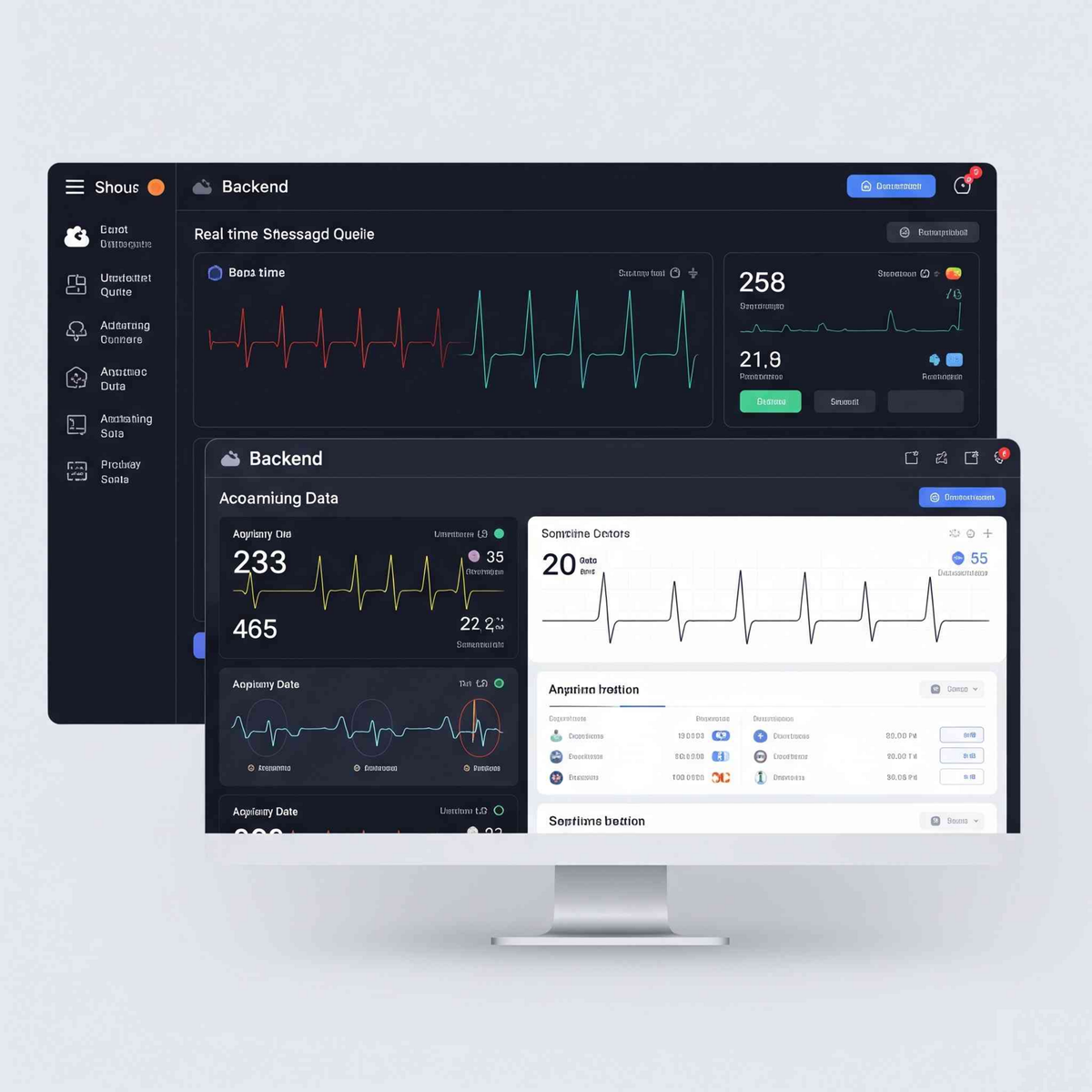
Triophore developed a robust realtime alerting system for LifeSignals INC using Node.js, WebSockets, MQTT, and Docker, enabling critical healthcare monitoring and timely medical intervention.
The Challenge
Business Problem
LifeSignals INC needed a robust system to transform real-time physiological data from their biosensors into actionable alerts for healthcare professionals, ensuring timely intervention for critical medical events and proactive patient management.
Technical Debt
The challenge included managing high volumes of real-time data, implementing complex alert logic for various medical conditions, ensuring low-latency alert delivery, and maintaining system reliability and security in compliance with HIPAA regulations.
The Goal
The primary goal was to develop a highly reliable, scalable, and secure real-time alerting system capable of processing live medical data and delivering instant alerts to healthcare providers, ultimately improving patient outcomes.
Technology Stack
Backend
Infrastructure
Service
The Solution
Discovery & Architecture
Triophore conducted an in-depth discovery process, resulting in the design of a dedicated backend service for real-time alerting that seamlessly integrated with LifeSignals' existing data streaming infrastructure. The architecture was based on Node.js for high-performance backend processing, MQTT for efficient data ingestion, and WebSockets for bidirectional communication and low-latency alert delivery to client applications. Docker was employed for containerization, ensuring consistent deployment and scalability.
Development Phase
The development involved building a Node.js service that subscribed to MQTT topics for real-time data ingestion, implementing a flexible alert rule engine, and creating a multi-protocol approach for data ingestion and alert delivery. This included real-time data processing, state management, and a horizontally scalable architecture. The service also acted as a bridge, consuming data from MQTT and publishing alerts over WebSockets.
Key Feature Implementation
The key features of the solution included real-time data ingestion from MQTT, a flexible alert rule engine, low-latency alert delivery via WebSockets, a scalable architecture based on Node.js, containerization with Docker, and robust security measures with TLS/SSL encryption.
The Results
Performance
The implemented system achieved near-instantaneous notification of critical medical events, enabling timely interventions and improved patient outcomes. The performance was optimized by leveraging Node.js's non-blocking I/O model and MQTT's efficient messaging capabilities.
Scalability
The Node.js, WebSockets, MQTT, and Docker-based architecture provided high scalability, allowing the service to handle a massive influx of data streams and generate alerts for a large patient population without performance degradation. The containerized design allowed for automated scaling based on load.
User Impact
The system streamlined the process of identifying and responding to critical patient conditions, reducing manual monitoring efforts for healthcare professionals. Configurable alerting provided flexibility to customize alert thresholds and notification preferences, tailoring the system to specific patient needs.
Business Efficiency
The real-time alerting system transformed passive data monitoring into an active, alert-driven system, facilitating proactive care and reducing the risk of adverse events. The enhanced security measures also aided in regulatory compliance.