
Seamless Lab & Diagnostic Machine Integration with LMS
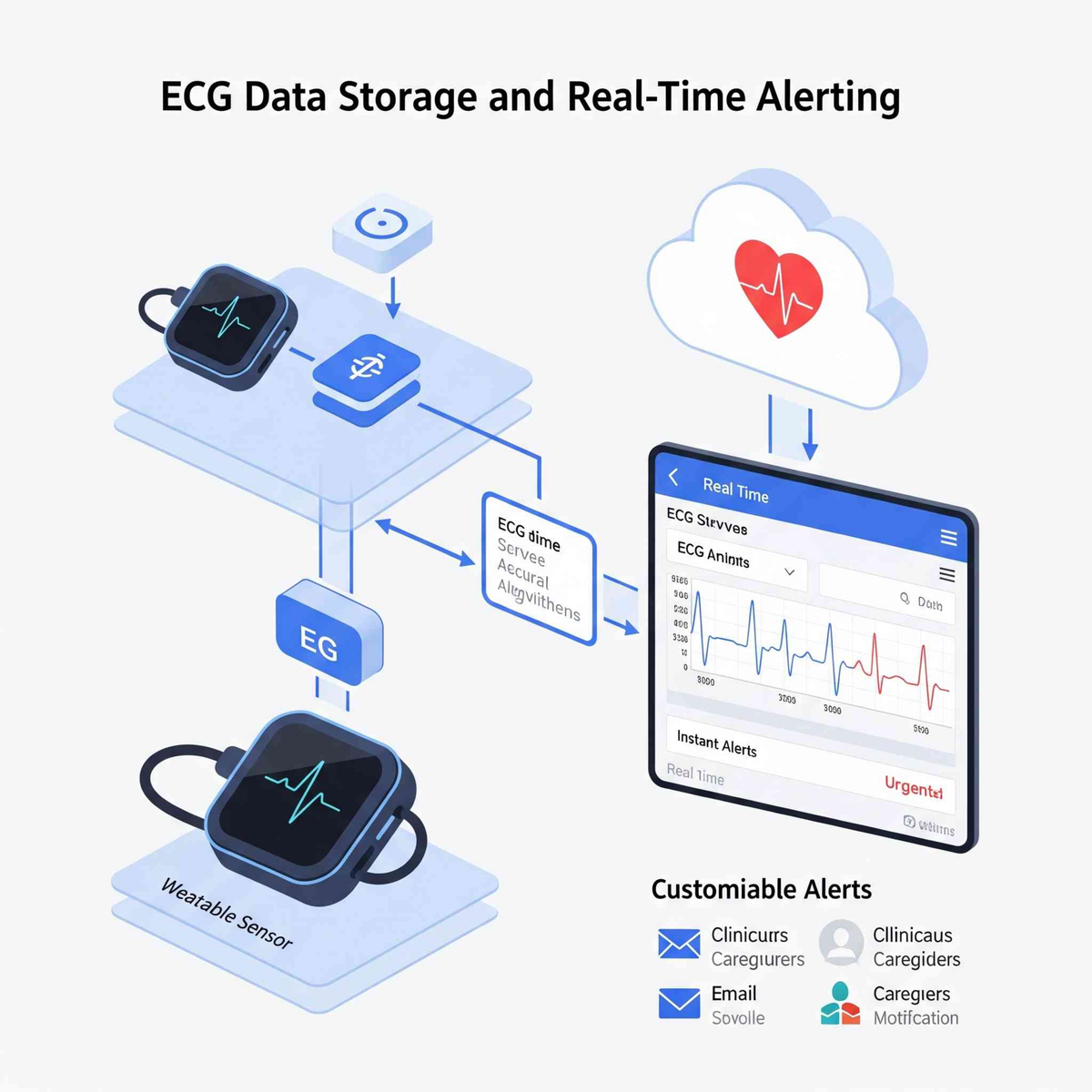
Triophore developed a critical integration service for OrbioSolutions, enabling seamless data exchange between their LMS and diverse diagnostic machines, automating lab workflows for accurate, timely data.
The Challenge
Business Problem
OrbioSolutions faced the challenge of integrating disparate diagnostic machines with their Lab Management System (LMS) due to interoperability gaps, varying data formats, and the need for data standardization and integrity. Manual data entry was inefficient and error-prone.
The Goal
The primary goal was to automate data exchange between diagnostic machines and the LMS, improving lab throughput, reducing operational costs, and ensuring data accuracy in a healthcare or scientific research context.
Technology Stack
Backend
Database
Service
Backend
The Solution
Discovery & Architecture
Triophore conducted a thorough analysis of OrbioSolutions' existing lab infrastructure and identified the various diagnostic machines and their communication protocols. The architecture involved a versatile backend service acting as an intermediary between the LMS and the machines, capable of handling standard healthcare protocols (HL7, FHIR) as well as raw binary data. The design prioritized protocol flexibility and seamless bidirectional data flow.
Development Phase
Triophore developed a custom backend service using Node.js, leveraging MongoDB for flexible data storage. The service was designed to handle various communication protocols, including HL7, FHIR, and raw binary formats. Specific HL7 message processing tasks were potentially implemented using Python, utilizing a dedicated HL7 library. The development ensured seamless data translation and transformation between the LMS and the diagnostic machines.
Key Feature Implementation
Protocol flexibility (HL7, FHIR, raw binary), bidirectional data flow (test orders and results), custom development, ongoing maintenance and support.
The Results
Performance
The integration service significantly improved data processing speeds and reduced manual data entry, leading to faster turnaround times for lab results.
Scalability
The solution's architecture, leveraging Node.js and MongoDB, allows for easy scaling to accommodate increasing data volumes and the integration of additional diagnostic machines.
User Impact
Lab technicians experienced a streamlined workflow with reduced manual tasks and improved data accuracy, enabling them to focus on more critical aspects of their work.
Business Efficiency
By automating data exchange and reducing errors, the integration service increased overall lab efficiency, lowered operational costs, and improved the reliability of diagnostic data.