
Unreal Engine Rendering for Architecture Firm: A Case Study
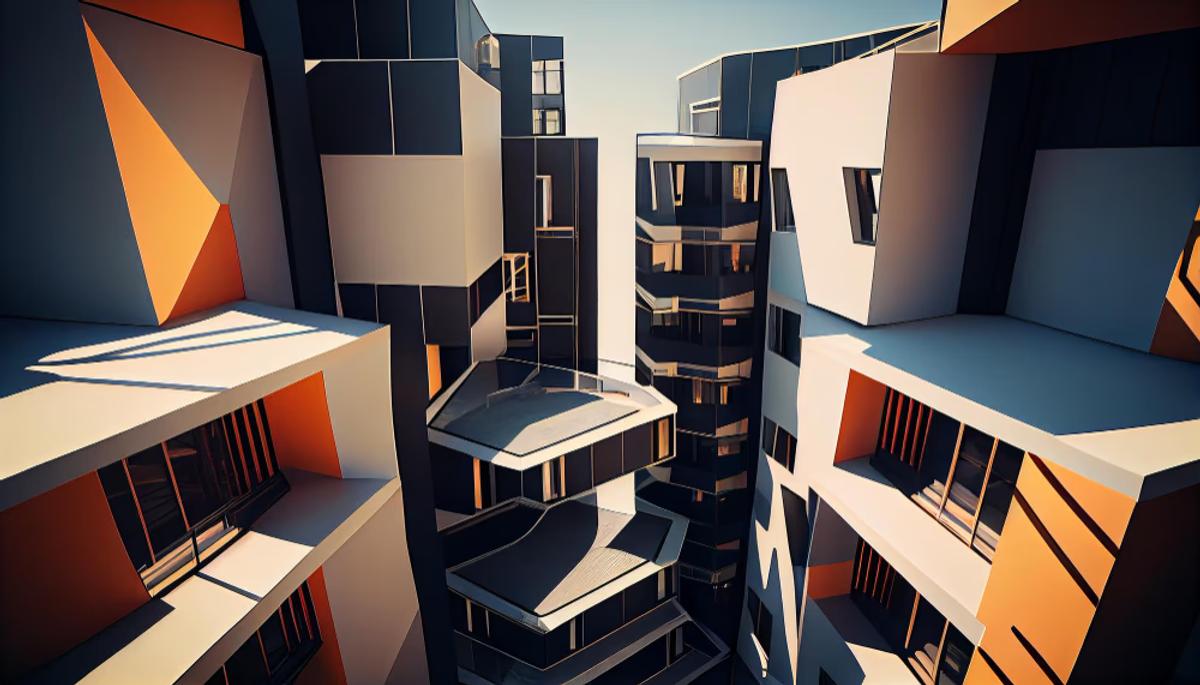
An architecture firm leveraged Unreal Engine to create immersive 3D walkthroughs, enhancing client engagement and showcasing minimalistic home automation designs.
The Challenge
Business Problem
Traditional 2D drawings and static 3D models failed to adequately convey the spatial feel and innovative home automation features of the architecture firm's designs, hindering client engagement and investment.
The Goal
Create an immersive and interactive experience to vividly showcase architectural designs with realistic detail, thereby improving client engagement and facilitating a clearer understanding of the project's concepts.
Technology Stack
Game Engine
Programming Language
The Solution
Discovery & Architecture
The project began with a detailed understanding of the architecture firm's needs, focusing on immersive visualization, interactivity, and photorealistic representation. The architecture and design phase involved close collaboration to gather 3D models, textures, and design blueprints, defining a clear workflow for importing and optimizing these assets within Unreal Engine 4. The architectural elements and planned automations were central to this planning.
Development Phase
The development phase involved integrating architectural models, textures, and lighting data into Unreal Engine 4, optimizing them for real-time rendering. A digital environment was created, meticulously replicating the project's physical space, incorporating realistic lighting, materials, and natural elements to showcase the integrated home automation features. Interactive elements, such as navigation controls, information hotspots, and day/night cycles, were implemented to enhance user engagement. Unreal Engine's advanced features, including ray tracing and post-processing effects, were leveraged to elevate realism.
Key Feature Implementation
Immersive 3D walkthrough, interactive navigation, realistic rendering with ray tracing, day/night cycle simulation, information hotspots, and cross-platform deployment (desktop, VR, mobile).
The Results
Performance
The interactive walkthrough provided a seamless and responsive experience across various platforms.
Scalability
The project's modular design allows for easy adaptation and expansion to showcase future architectural designs.
User Impact
Clients and investors were able to explore spaces and visualize the functionality of home automation designs as if physically present, resulting in a more profound understanding and appreciation of the architectural firm's work.
Business Efficiency
Enhanced communication and client engagement led to a clearer understanding of design concepts, contributing to the firm's success in securing new projects and investments.